
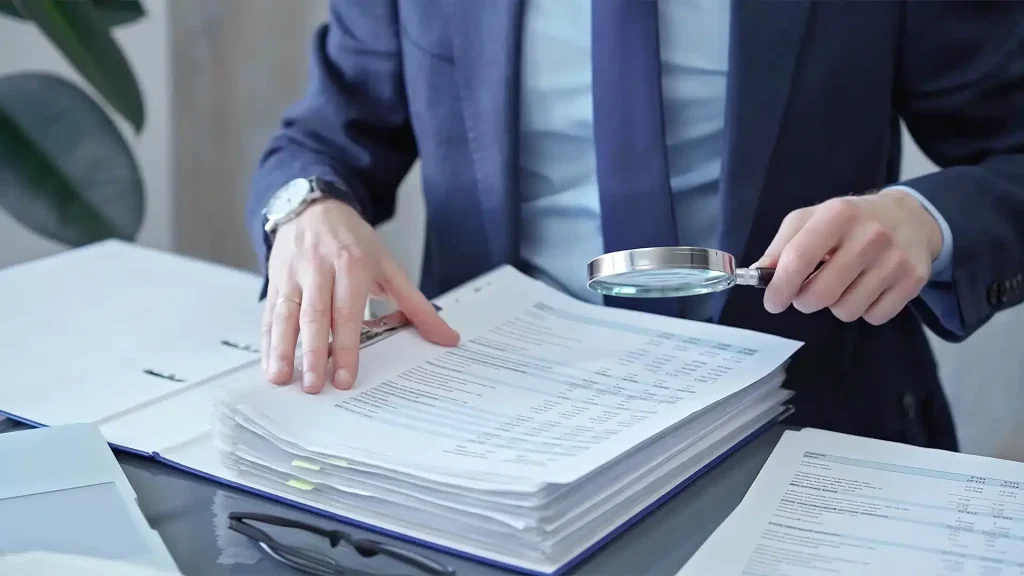
We do both halves, the readiness work and then the audit. Companies often call us with the books on a cash basis or a year unreconciled, and neither can go into an audit as it stands.
An S-1, a Form 10, a 10-K or a broker-dealer annual report needs an audit report from a firm on the PCAOB register, under Rule 2100. A bank covenant, an investor or a grantor does not require one, and a GAAS audit costs less.
Whether the books are in a state an auditor can work with decides your timeline. Answer that before you book a filing date.
Rule 3-02 of Regulation S-X sets the general requirement at three fiscal years of audited income and cash flow statements. An emerging growth company filing an equity IPO gets two under Securities Act 7(a)(2), and a smaller reporting company gets two under Rule 8-02.
An audit works back from your most recent balance sheet, so the oldest year, closed by a bookkeeper who has since left, is the one that decides whether the filing date holds.
| Filer type | 3 years back | 2 years back | Most recent year end |
|---|---|---|---|
| Emerging growth company Equity IPO, Securities Act 7(a)(2) | Not required | Audited | Audited |
| Smaller reporting company Rule 8-02 of Regulation S-X | Not required | Audited | Audited |
| Other filers Rule 3-02 of Regulation S-X | Audited | Audited | Audited |
A compilation gives no assurance and a review gives limited assurance. A GAAS audit and a PCAOB audit both give reasonable assurance; what separates them is who may sign and which filings accept the report. An SEC filing carrying audited annual statements needs the PCAOB version.
Your numbers presented as financial statements. Nobody has tested them.
Analytics and inquiry. Enough for a lender, and what SEC rules require for the interim statements in a Form 10-Q.
A full opinion under AICPA standards. Enough for a bank, a board or a buyer.
The same opinion, from a firm on the PCAOB register, with the documentation and control work an SEC filing needs.
Start at the level your filing needs. A compilation or a review does not turn into an audit later, so if an SEC filing is carrying the annual statements, the engagement starts on the bottom row.
Two ways in, depending on where you are.
we close the open years and rebuild what the ledger cannot support.
cash basis books moved onto accrual, which is the basis an SEC filing has to be on.
we tell you what an auditor will ask for and what is missing, before the engagement letter.
the signed opinion that goes into your registration statement.
A US GAAP audit starts from accrual books, so a cash basis ledger is a conversion job first. Where a prior year was never closed properly, the opening balances have to be rebuilt from source documents before testing can start.
Independence is what sets the boundary, and it does not turn on how the work is split into engagements. Rule 2-01 prohibits a firm from keeping the books or preparing the statements its own audit will then cover, and a separate engagement letter does not cure that. Some readiness work can stay with us and the prohibited accounting work goes elsewhere, and we tell you which side of that line you are on before you engage.
How many years need auditing, and how far back the oldest one sits.
Whether the books are already on the accrual basis the filing needs.
Whether a prior year was audited by a firm that is not on the register.
Number of entities, and whether consolidation is involved.
How much of the clean up has to finish before the audit can even start.
Send the trial balance and the last return. We price the readiness work and the audit separately, so you can see which half is actually costing you.
Make sure to start planning with a professional far ahead of time, maybe six months before, nine months before.
Dimov Tax showed remarkable professionalism, dedication, and attention to detail throughout the entire audit process. Despite a very tight deadline on our end, they managed to deliver the completed audit (US GAAP) in due time...
This page is general information, not advice for your circumstances. How many years you have to audit turns on your filer status and what you are filing, so speak to a CPA before acting on anything here.
Tell us the filing you are working toward and roughly what state the books are in. We will tell you what has to happen before the PCAOB audit can start, in what order, and what each part costs.